Patient video: LVAD as a bridge to transplantation

This guide for patients from the European Society of Cardiology aims to provide an overview of the latest evidence-based recommendations for the diagnosis and treatment of heart failure.
In particular, it should help patients to understand the:
A series of 9 simple, captivating animations explaining heart failure and its treatment.
These narrated animations explain how a healthy heart works, what happens to it in heart failure and how various treatments work to improve your health
A simple guide to how the heart pumps blood
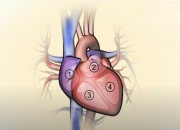
What happens in heart failure when the heart can’t pump as well
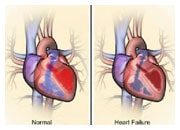
How the body adapts to heart failure — and why symptoms can change
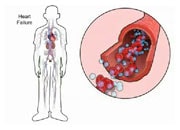
Why fluid builds up in heart failure (and what it can feel like)
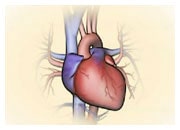
Why a heart attack can increase the risk of heart failure
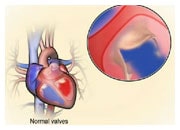
How valve disease affects the heart and can lead to heart failure
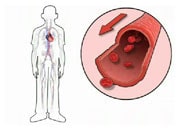
How vasodilators help the heart by relaxing blood vessels
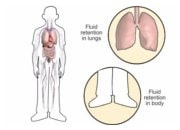
How “water tablets” help reduce fluid in heart failure
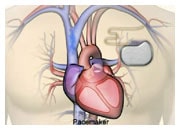
How medical devices work in heart failure
Symptoms and events diary: track changes and spot patterns
Monitoring chart: daily weight, symptoms and vital checks
Appointment record: what to note before, during and after visits
Warning signs checklist: when to call for help
Medicine chart: keep a clear list of your heart failure medications
Preparing for your appointment: what to bring and what to ask
Click to print these tools to help you monitor your heart failure
In this section you can watch, listen or read interviews with other people with heart failure and their caregivers.
Patient video: living well with heart failure in Ireland
Patient video: the strategy I used to understand heart failure
Patient video: self-care habits that help day to day
Patient video: exercise training and cardiac rehab with heart failure
Patient video: why quality of life matters in heart failure care
Patient video: using ESC patient guidelines to support decisions
Patient video: how a patient representative supported my diagnosis
Patient video: living with an ICD day to day

Patient video: making lifestyle changes and staying optimistic
Patient video: living with heart failure devices (ICD, CRT, LVAD)
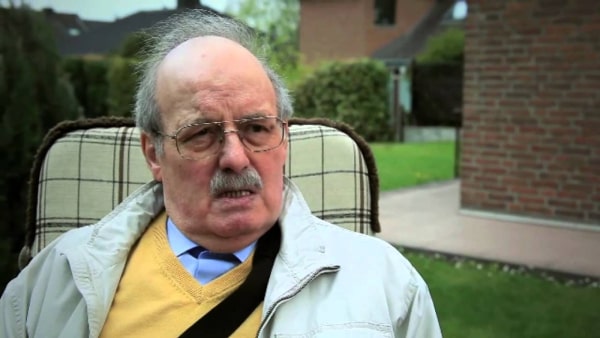
Patient video: what it’s like living with an LVAD
Patient video: managing heart disease during pregnancy
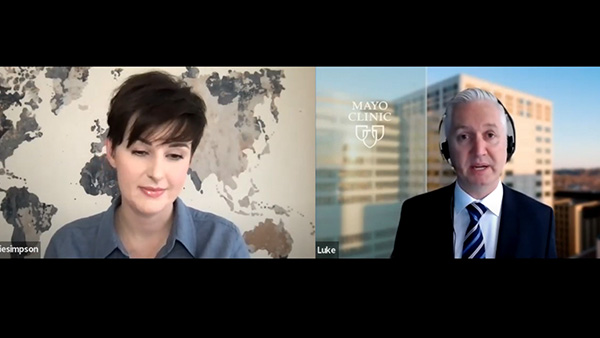
Patient video: heart failure in congenital heart disease explained
Patient video: living better with heart failure and congenital heart disease
Patient video: treatment options for heart failure in congenital heart disease
Patient video: LVAD as a bridge to transplantation
and share your own views and experiences with other patients, families and caregivers.
The heartfailurematters.org website was developed under the direction of the Heart Failure Association of the European Society of Cardiology (ESC). The ESC is a world leader in the discovery and dissemination of best practices in cardiovascular medicine. Our members and decision-makers are healthcare professionals who volunteer their time and expertise to represent professionals in the field of cardiology in Europe and beyond.