What you can do
In addition to the medical and device treatments advised by your doctor for your heart failure, you play an important part in keeping well every day. You do this by self-managing your heart failure symptoms. Regularly taking your blood pressure and pulse will allow you to identify any changes requiring earlier contact with the doctor or health failure nurse. Key to daily self-management is a good lifestyle, through the eating of healthy food, taking regular exercise, and keeping stress levels low. Some changes to your lifestyle may be easy to make, while others are more difficult. It is important you take one day at a time, doing those activities that will help you to live as well as possible with heart failure.
In the following sections, we provide you with more detail on how and why you may want to record your blood pressure and pulse. Recognising changes in your blood pressure or pulse or symptoms is important, and may prompt a conversation or require an appointment with your doctor or heart failure nurse. Furthermore, we provide advice on simple things, such as how to eat healthy food, for example a Mediterranean diet, as well as controlling your weight or even tips and tricks for weight loss.
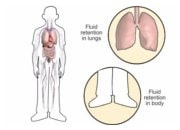
We encourage you to watch your salt and fat intake, take short daily walks and weigh yourself every morning. If you have congestive heart failure, monitoring your intake of fluid may also be relevant. Along with your medications, these small changes can make a big difference to your heart failure condition, helping with symptoms and your general well-being. There will be times you may find it helpful to talk to someone who has experienced what you are going through. In this section we signpost you to support groups, to allow you to discuss your feeling openly and get practical advice from patients with heart failure, just like yourself.
Click on any of the links to the left to learn more about ways you can manage your heart failure.
You may also want to visit the Warning signs section to learn how to recognise if your symptoms are getting worse.