Warning signs
The diagnosis of congestive heart failure typically is based on a variety of symptoms and clinical signs. You should know these warning signs!
If closely observed and monitored, symptoms and warning signs can be used to earlier detect worsening of your heart failure condition and to initiate effective treatment measures. Of note, the warning signs do not directly depend on the type or cause of your heart failure. You may wish to discuss with your doctor or nurse, which of these warning signs are most relevant for your condition and when to report these warning signs.
Frequently observed signs or symptoms, which can occur in isolation or in combination and can thus be used as “red flags” or warning signs include:
- Shortness of breath (dyspnea) or noticeably reduced exercise capacity
- Chest pain (angina pectoris)
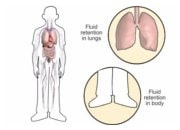
- Swollen feet or ankles (peripheral edema)
- Rapid weight gain
- Worsening persistent cough
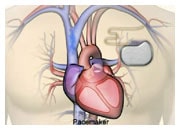
- Heart rhythm disturbances (palpitations)
- Dizziness or fainting
- Loss of appetite and/or gradual weight loss associated with general weakness (cachexia)
Importantly, none of these signs or symptoms is specific. For example, shortness of breath or chest pain can be due to other conditions than heart failure: it could also be a symptom of myocardial infarction or pneumonia with pleurisy.
However, the pattern of how these signs and symptoms repeatedly occur in your individual situation may well be specific and informative. This means that you can train yourself – with the help of your care team – to recognise early any alterations of your health status and react appropriately to these warning signs. In order to do so, it is very helpful for both you and your care team to record your symptoms in a diary. You will find a simple “symptoms and events diary” as a downloadable tool on the homepage. This information will be valuable when decisions about management of your symptoms need to be taken.
In this section, you find a more in-depth explanation of various warning signs. If you can’t find the question you’re looking for, try our Frequently Asked Questions section. Click on any of the topics to the left to view questions.